
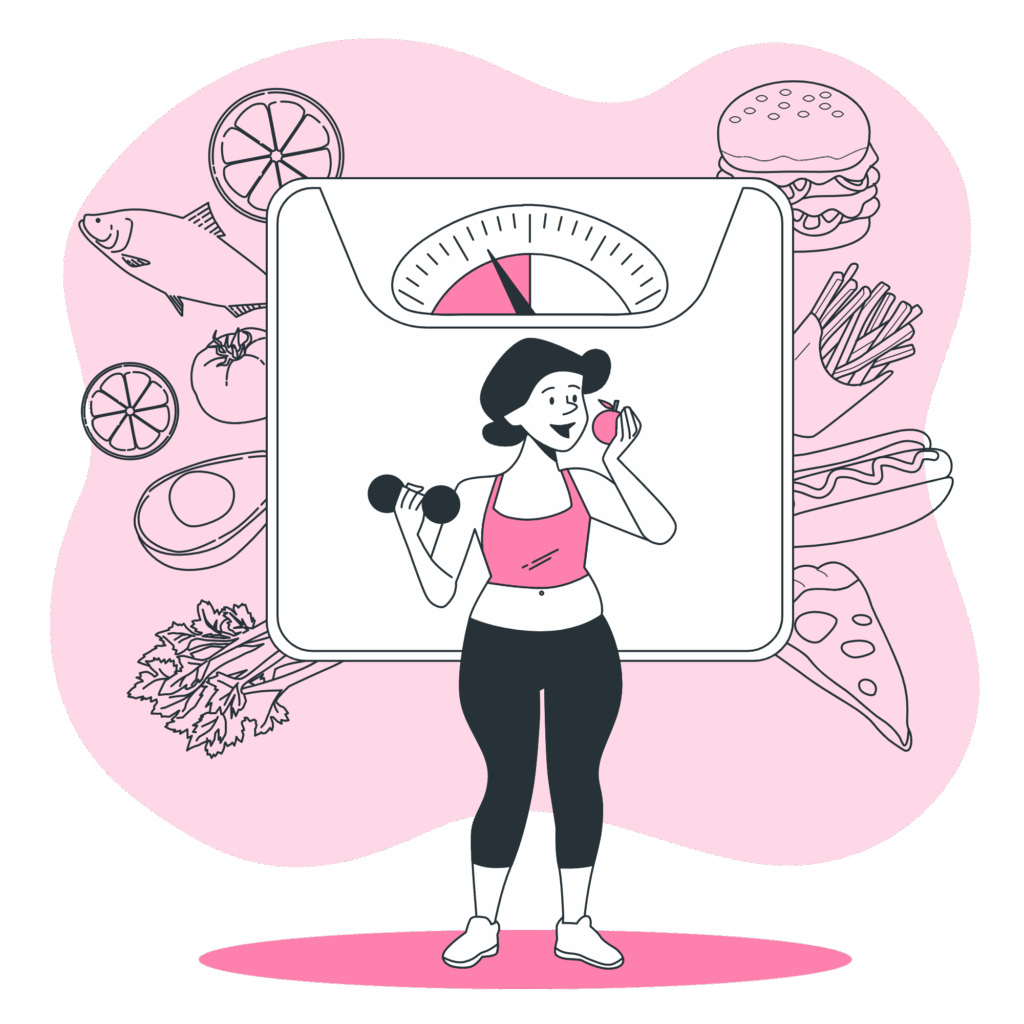
Your diet is the foundation of your health. What you eat daily doesn’t just influence your weight—it affects your mood, energy levels, skin, digestion, immunity, and overall wellness. But what exactly does a healthy diet look like, and how can you shift your eating habits in a sustainable way?
Here’s everything you need to know to clean up your plate and start feeling your best—starting today.
What is a Diet, Really?
The term “diet” is often misunderstood. Contrary to popular belief, it doesn’t mean cutting calories or going hungry. A diet is simply the collection of food and drinks you consume regularly. Whether you’re living on fast food and soda or green smoothies and quinoa, that’s your diet.
A healthy diet is one that fuels your body with nutrient-rich, balanced meals—not extreme restrictions or fads.
Step 1: Assess Your Current Eating Habits
Before making changes, reflect on:
How many calories you eat in a day
Your sugar, fat, and sodium intake
The amount of whole vs. processed food you consume
Whether you’re getting enough fiber, protein, and hydration
Use a free app like MyFitnessPal or Cronometer to track what you’re eating for a week. This will help you spot nutritional gaps or hidden calories.
Step 2: Understand What Makes a Balanced Diet
A healthy diet consists of both macronutrients (protein, carbs, fats) and micronutrients (vitamins and minerals), plus water and dietary fiber. Here’s a breakdown:
Macronutrients: Your Body’s Building Blocks
Protein
Helps build and repair tissues, supports immune function, and keeps you full.
Sources: Eggs, fish, chicken, tofu, lentils, beans, and Greek yogurt.
Carbohydrates
Provide energy. Focus on complex carbs that are high in fiber.
Sources: Sweet potatoes, oats, quinoa, brown rice, fruits, and vegetables.
Healthy Fats
Support hormone production, brain health, and nutrient absorption.
Sources: Avocados, olive oil, nuts, seeds, fatty fish (like salmon).
Water
Dehydration can slow down your metabolism and make you feel tired or hungry.
Tip: Aim for 2–3 liters a day. If plain water bores you, infuse it with fruits or herbs.
Dietary Fiber
Keeps your digestive system running smoothly, regulates blood sugar, and lowers cholesterol.
Sources: Whole grains, legumes, berries, leafy greens, and chia seeds.
Micronutrients: Small but Mighty
Vitamins
Support everything from skin health to bone strength and metabolism.
Examples: Vitamin C (oranges), Vitamin A (carrots), Vitamin D (sunlight + fortified foods).
Minerals
Critical for nerve function, muscle contraction, and hydration.
Examples: Calcium (dairy, almonds), Iron (spinach, red meat), Zinc (pumpkin seeds), Potassium (bananas).
Step 3: Choose Nutrient-Dense, Whole Foods
Focus on:
Fresh vegetables and fruits – especially leafy greens, cruciferous veggies, and berries
Lean proteins – fish, eggs, legumes, tofu
Whole grains – brown rice, oats, millet, buckwheat
Healthy fats – avocado, nuts, seeds, olive oil
Limit:
Sugary drinks (like sodas or energy drinks)
Processed snacks and junk food
Deep-fried or fast food
Refined carbs (white bread, pastries)
Step 4: Don’t Obsess Over Calories—Prioritize Quality
Eating 1,200 calories of junk food is not the same as 1,200 calories of nutrient-dense meals. Foods that nourish your body—like vegetables, fruits, and whole grains—make you feel full, energized, and balanced.
Pro tip: You’re less likely to overeat when your meals are rich in fiber, protein, and healthy fats.
Step 5: Make Healthy Eating a Lifestyle—Not a Short-Term Diet
Instead of crash dieting:
Cook at home more often
Meal prep once a week
Read food labels and avoid artificial ingredients
Use the 80/20 rule: eat clean 80% of the time, and allow yourself small indulgences
{Sample} Healthy Daily Meal Plan
Breakfast: Oatmeal with chia seeds, almond milk, banana, and cinnamon
Snack: Handful of almonds + apple slices
Lunch: Grilled chicken salad with olive oil dressing and quinoa
Snack: Greek yogurt with berries
Dinner: Baked salmon, sweet potatoes, and steamed broccoli
Hydration: Water, herbal teas, or lemon water throughout the day
Small Changes = Big Results
A healthy diet doesn’t mean perfection. It means consistency, balance, and making intentional choices that support your body and goals. When you nourish your body with what it needs, weight loss, clearer skin, better digestion, and higher energy are just the natural results.
Start small. Replace one unhealthy habit per week. Within a few months, you’ll have transformed not just your plate, but your life.