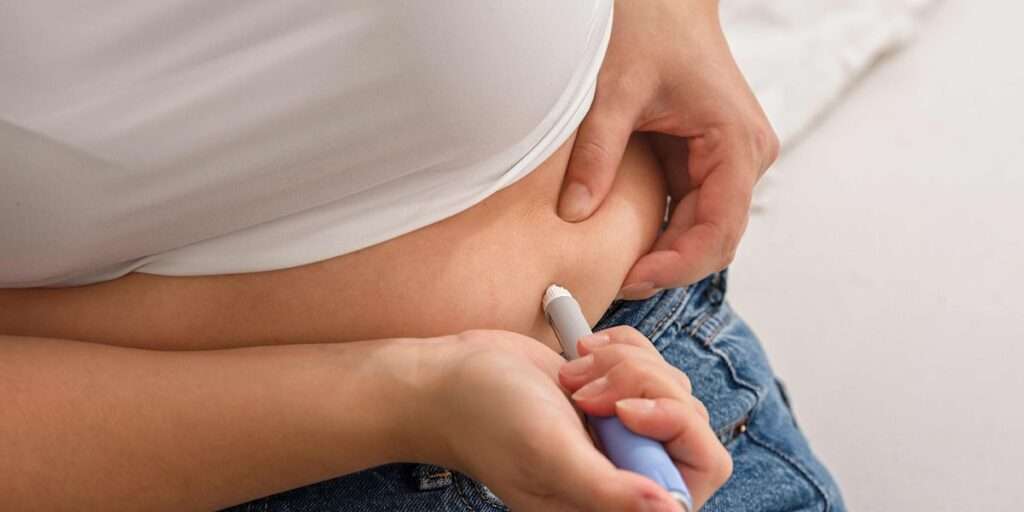
GLP-1 medications have rapidly become one of the most talked-about breakthroughs in weight management. For many women who have struggled with stubborn weight gain, hormonal shifts, slow metabolism, or repeated diet failures, these medications offer new hope.
However, while GLP-1 drugs can be powerful tools, they are not effortless solutions. Using them incorrectly can lead to unnecessary side effects, muscle loss, nutritional deficiencies, or weight regain after stopping.
This practical guide explains how to use GLP-1 medications safely, responsibly, and effectively, with a focus on long-term health rather than short-term weight loss.
What GLP-1 Medications Do — and What They Don’t
GLP-1 medications work by mimicking a natural gut hormone involved in appetite regulation and blood sugar control. They:
Reduce hunger signals in the brain
Increase feelings of fullness
Slow stomach emptying
Improve insulin response
What they do not do:
They do not replace healthy eating
They do not eliminate the need for movement
They do not permanently reset metabolism
They do not work equally for everyone
Understanding this distinction is critical for safe and realistic use.
Who Should Consider GLP-1 Medications
GLP-1 medications may be appropriate for women who:
Have obesity or significant weight-related health risks
Experience hormonal weight gain (PCOS, perimenopause, insulin resistance)
Have struggled to lose weight despite lifestyle changes
Are under medical supervision
They may not be suitable for women who are pregnant, breastfeeding, or have certain gastrointestinal or endocrine conditions. Medical screening is essential.
Starting GLP-1 Medication the Right Way
1. Begin With a Gradual Dose Increase
Most side effects occur when the medication is increased too quickly. A slow titration schedule allows the body to adapt and reduces nausea, vomiting, and digestive discomfort.
Never rush dose increases in pursuit of faster weight loss.
2. Expect Appetite Changes — Not Food Aversion
A healthy response to GLP-1s is reduced appetite, not extreme food avoidance. If you are unable to eat enough protein or feel constantly nauseated, the dose may be too high.
Weight loss should feel manageable, not punishing.
Nutrition Guidelines While on GLP-1 Medications
Protein Is Non-Negotiable
Rapid weight loss without adequate protein can lead to muscle loss, slower metabolism, and fatigue.
Aim to prioritize:
Lean protein at every meal
Protein before carbohydrates
Whole food protein sources when possible
This is especially important for women over 30, as muscle mass naturally declines with age.
Avoid Ultra-Processed, High-Fat Foods
GLP-1 medications slow digestion. Greasy, fried, and highly processed foods tend to sit in the stomach longer, increasing nausea and discomfort.
Focus on:
Simple, whole meals
Fiber-rich vegetables
Balanced portions
Hydration Matters More Than You Think
Reduced appetite often leads to reduced fluid intake. Dehydration can worsen fatigue, constipation, and dizziness.
Sip water consistently throughout the day rather than drinking large amounts at once.
Managing Common Side Effects Safely
Nausea
Eat smaller meals
Avoid lying down immediately after eating
Reduce fatty or spicy foods
Constipation
Increase fiber gradually
Stay hydrated
Maintain gentle daily movement
Fatigue
Ensure adequate calorie intake
Prioritize sleep
Monitor iron and vitamin intake
Side effects that persist or worsen should always be discussed with a healthcare provider.
Exercise While on GLP-1 Medications
Strength Training Is Essential
GLP-1 medications reduce appetite, which can unintentionally reduce muscle mass if strength training is neglected.
Recommended focus:
Resistance training 2–3 times per week
Bodyweight or light weights initially
Progressive overload over time
This protects metabolism and improves long-term fat loss results.
Do Not Overdo Cardio
Excessive cardio combined with low calorie intake can increase fatigue, hormone disruption, and muscle loss. Walking, light cycling, or moderate cardio is usually sufficient.
Why Weight Loss Looks Different for Women on GLP-1s
Women often lose weight more slowly due to:
Hormonal fluctuations
Higher essential body fat
Stress and cortisol sensitivity
Menstrual cycle-related water retention
Slow progress does not mean failure. Consistency matters more than speed.
Preventing Weight Regain After GLP-1 Medications
One of the biggest concerns with GLP-1 use is weight regain after stopping. This is more likely when:
Lifestyle habits were not developed
Protein intake was consistently low
Muscle mass declined
Medication was used as a sole solution
To reduce regain risk:
Build sustainable eating patterns
Maintain strength training
Learn hunger and fullness cues
Transition off medication gradually under medical guidance
Mental and Emotional Considerations
GLP-1 medications can change a woman’s relationship with food. Some experience relief from constant food noise, while others feel disconnected from hunger cues.
Both experiences are valid. Emotional awareness, mindful eating, and realistic expectations help maintain a healthy mindset throughout the process.
Key Safety Reminders
Always use GLP-1 medications under medical supervision
Do not compare your progress to others
Rapid weight loss is not always healthy weight loss
Long-term success depends on habits, not dosage
GLP-1 medications can be life-changing when used responsibly. They offer a powerful tool for appetite regulation and metabolic health — but they work best when combined with proper nutrition, strength training, hydration, and realistic expectations.
For women, especially those navigating hormonal changes, GLP-1s should be viewed as support tools, not shortcuts. Safety, sustainability, and long-term health should always come first.