
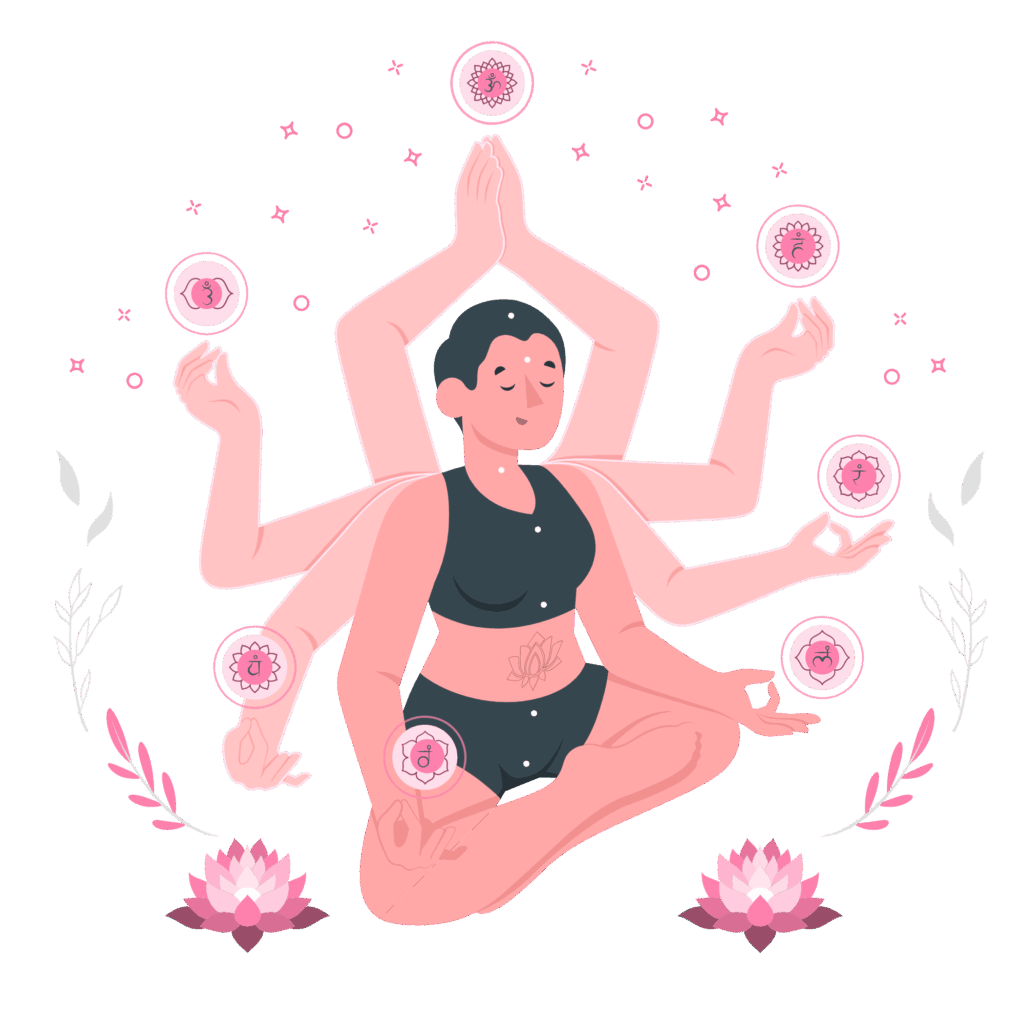
In a World of Distractions, Focus is the New Superpower
In today’s fast-paced, notification-filled world, staying focused has become increasingly difficult. We’re constantly bombarded with updates, tasks, and stressful news cycles. As a result, distraction has become the default mental state for many of us. The ability to focus deeply has become rare—but it is also incredibly valuable.
Modified yoga offers a transformative way to reclaim that focus. Unlike more intense forms of yoga that demand high flexibility or strength, modified yoga is accessible and adaptable. It is particularly useful for those who are beginners, recovering from injury, or managing chronic conditions. Most importantly, it cultivates mental clarity, emotional calm, and body awareness through gentle movements and mindfulness.
How Modified Yoga Builds Mental Focus
In modified yoga classes, the emphasis isn’t just on poses—it’s on being fully present in the moment. Students are guided to concentrate on:
Their breathing rhythms
Specific body sensations
A single visual point (also known as a drishti)
These practices are not only grounding—they train the mind to focus with intention. If the mind wanders, the instructor gently brings the practitioner’s awareness back to the body or the breath. This repeated redirection builds a muscle for concentration, similar to how meditation works.
For instance, in balance poses, you can feel how quickly you lose steadiness when your mind drifts. But when you are centered—focusing on your breath and posture—your stability improves. This teaches students the value of mental stillness and physical alignment.
Breathing as a Tool for Mindfulness
Breath is one of the most powerful tools in yoga. In modified yoga, you’re taught to breathe consciously, often focusing your breath into areas of tension. This mindful breathing not only increases oxygen flow but also helps:
Calm the nervous system
Improve emotional regulation
Deepen the connection between mind and body
Focusing on the breath shifts your attention inward, helping you tune out external distractions and turn yoga into a form of active meditation.
Guided Meditation and Sensory Focus Exercises
Modified yoga sessions often incorporate simple, guided meditations that enhance your ability to focus. Some of the techniques include:
Focusing on a single object (such as a candle or colored strap)
Visualization exercises that stimulate the imagination
Sensory-based practices like touching the center of the palm and recalling the sensation
These exercises improve cognitive presence, visual focus, and mental discipline, which can benefit students in their daily lives—whether at school, work, or home.
Body Awareness and Gentle Self-Adjustment
During poses, students are encouraged to scan their bodies for tightness, discomfort, or imbalance. Rather than forcing through pain, the practice encourages modifications—using props, altering angles, or reducing intensity. This fosters:
Self-compassion
Acceptance of physical limitations
Listening deeply to the body
This inward focus transforms yoga from exercise into a healing journey. Students begin to associate focus not with perfection or intensity, but with self-awareness and non-judgmental observation.
The Long-Term Benefits of Developing Focus Through Yoga
Whether you’re a teen overwhelmed with school stress or an adult juggling multiple responsibilities, modified yoga provides tools to regain focus and clarity. Over time, consistent practice helps individuals:
Improve memory and cognitive function
Reduce anxiety and overthinking
Gain better control over emotional reactions
Develop healthier habits and routines
Ultimately, yoga helps shift attention from negative thought loops to present-moment awareness and gratitude. By learning to focus through yoga, you also learn to direct your energy toward what truly matters.
Modified yoga is more than just a physical practice—it’s a mental training ground for focus, patience, and awareness. In a world full of chaos and speed, taking even 30 minutes to slow down, breathe, and reconnect can transform your ability to handle daily life.
If you’re feeling mentally scattered, emotionally drained, or physically tense, consider joining a modified yoga class. You don’t have to be flexible or athletic—just willing to breathe, focus, and be present.
Your mind—and body—will thank you.