Many women want to lose belly fat — quickly. But with so much conflicting advice online, it’s easy to feel lost. The truth: while there are no magic pills or guaranteed “lose-fat-fast” hacks, there are evidence-based methods that help maximize fat loss (especially around the midsection) safely and sustainably.
This post dives into what actually works — backed by scientific findings — and offers a clear, actionable plan you can follow.
Understanding Belly Fat: What You’re Really Trying to Lose
First, a quick science lesson. Belly fat isn’t just about what you see under the skin (subcutaneous fat). There’s also visceral fat — the fat deep around your organs. This type of fat is more strongly linked to health risks (like metabolic disorders). Reducing overall body fat, improving diet and hormone balance, and boosting metabolism are key to shrinking both layers. (Healthline)
Because fat-loss patterns vary — and the body decides where fat comes off — you can’t guarantee belly fat melts first. But you can optimize your body’s fat-burning in a way that tends to reduce abdominal fat over time.
7 Evidence-Based Principles for Quick Belly Fat Loss
1. Create a Moderate Calorie Deficit — Not Starvation
- The foundation of fat loss is burning more calories than you consume. Multiple sources highlight this as the core principle behind belly fat reduction. (Boxrox)
- However, an extreme calorie cut triggers metabolic slowdown, muscle loss, strong cravings, and hormonal imbalances. Balanced deficit + nutrient-dense foods is smarter and more sustainable.
Action Step: Estimate your maintenance calories (many online calculators help). Then reduce by ~300–500 kcal/day for gradual, sustainable fat loss. Prioritize nutrient-dense food rather than just “eating less.”
2. Prioritize Protein & Fiber — Support Fat Loss & Satiety
- High-protein diets support fat loss by boosting metabolic rate, reducing appetite, and helping preserve muscle mass. (Healthline)
- Fiber — especially soluble fiber — helps you feel full longer, reduces cravings, and has been associated with reductions in visceral fat over time. (Healthline)
Action Step:
- Aim to include a good protein source (lean meat, fish, eggs, beans, legumes, dairy) at each meal.
- Fill at least half your plate with fiber-rich vegetables, fruits, whole grains, or legumes.
- Limit refined carbs and sugary foods/drinks.
3. Combine Cardio + Strength Training — Maximize Fat Burn & Preserve Muscle
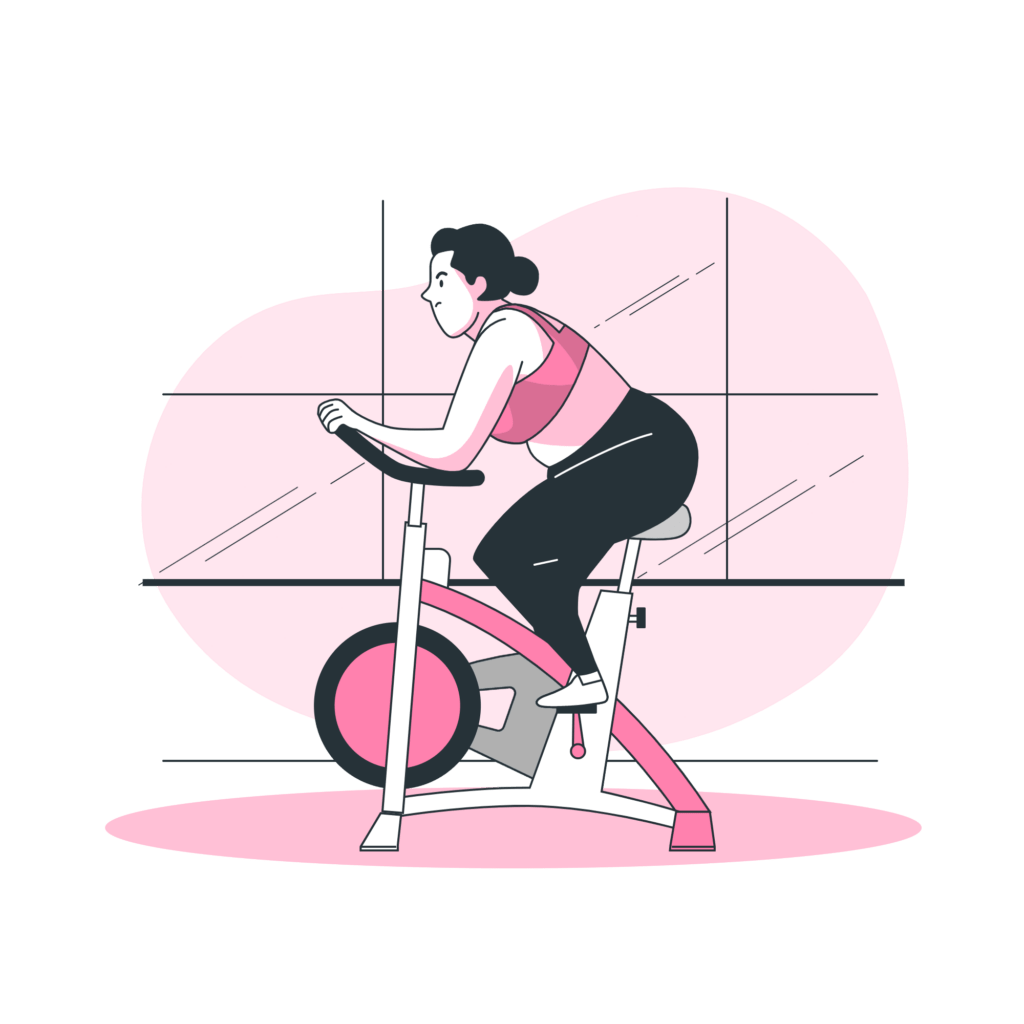
- Cardio (walking, cycling, running, swimming) increases calorie expenditure and helps reduce overall body fat. (Cleveland Clinic)
- High-Intensity Interval Training (HIIT) — short bursts of intense exercise followed by rest — increases fat oxidation and can reduce abdominal fat more effectively than steady-state cardio. (UMD Blog)
- Strength training builds lean muscle, which boosts your resting metabolic rate — meaning you burn more calories even while resting. This makes fat loss more efficient and helps maintain body composition. (UMD Blog)
Action Step:
- Aim for 150 min/week of moderate cardio (or 75 min of vigorous), or mix cardio + HIIT.
- Include 2–4 strength training sessions per week targeting all major muscle groups.
- Add core stability or mobility work to support posture and muscle balance.
4. Reduce Sugar, Refined Carbs & Processed Foods — Avoid Hidden Fat Triggers
- Diets high in added sugars and refined carbs are strongly linked to increased belly and liver fat accumulation. (Healthline)
- Liquid calories (sodas, sweetened drinks) are especially problematic because the brain doesn’t register them as fullness — leading to overeating. (Healthline)
Action Step:
- Cut out sugary drinks and reduce processed or packaged foods.
- Choose whole-food carbs (vegetables, fruit, whole grains) over refined carbs or sweets.
- Watch portion sizes even with “healthy” foods — healthy doesn’t always mean low-calorie.
5. Optimize Sleep, Stress & Daily Activity — Hormones & Lifestyle Matter
- Poor sleep and chronic stress lead to elevated cortisol (the stress hormone), which encourages fat storage — especially around the belly. (Healthline)
- Beyond workouts, increasing everyday movement — walking more, reducing sedentary time, using stairs — contributes to calorie burn and improves metabolic health. (Medical News Today)
Action Step:
- Aim for 7–9 hours of quality sleep each night.
- Adopt stress-reducing practices: deep breathing, yoga, meditation, downtime.
- Build more movement into daily life: take walks, stand more, and move regularly if you sit for long periods.
6. Be Consistent & Patient — Healthy Fat Loss Takes Time
- Many “quick-fix” plans fail because they rely on extreme measures. Real fat loss, especially belly fat, follows slow and steady habits.
- Research suggests belly fat (especially visceral) responds to consistent lifestyle change — combining diet, exercise, and healthy habits over time. (UMD Blog)
Action Step:
- Track progress over weeks, not days — use measurements, how clothes fit, energy levels, not just scale alone.
- Focus on sustainable habits rather than crash diets.
- Give at least 8–12 weeks of consistent effort before evaluating major changes.
7. Support Gut Health & Avoid Bloating — It Helps Your Belly Look Leaner
Even when fat loss is modest, a bloated belly can hide results. Improving digestion, reducing inflammation, and minimizing gut discomfort helps your waistline look flatter — and supports long-term fat loss. Many top-performing belly-fat articles mention gut health as an important factor. (UMD Blog)
Action Step:
- Eat plenty of fiber, hydrate well, and include fermented or gut-friendly foods if tolerated.
- Reduce foods/beverages that trigger bloating (excessive sugar, processed foods, gas-producing items).
- Listen to your body — digestion and comfort matter for long-term consistency.
Sample 4-Week Plan for Quick Belly Fat Loss (Sustainable & Effective)
| Week | Calories / Nutrition Focus | Workouts | Lifestyle Focus |
|---|---|---|---|
| 1 | Moderate calorie deficit, high protein & fiber | 3 strength sessions + 2 brisk walks (30 min) | Sleep hygiene + limit sugary drinks |
| 2 | Maintain deficit, reduce processed foods | 2 HIIT sessions + 2 strength + 1 walk | Daily mobility + track stress |
| 3 | Slight adjust if weight stalls — ensure protein intake | 3 strength + 2 moderate cardio | Focus on hydration & gut-friendly meals |
| 4 | Maintain healthy deficit, track macros roughly | Mix strength + HIIT + daily movement | Journaling, stress check-in, good sleep |
Assess progress at end of week 4. Adjust as needed — slow, steady, consistent.
Why “Quick Belly Fat Loss” Does Not Mean Extreme Diets or Spot Reduction
- Spot reduction (targeting belly fat with ab exercises alone) is a myth. Core work helps with posture and strength — but fat loss always happens across the whole body.
- Very low-calorie diets, over-exercising, or extreme restriction often backfire: muscle loss, metabolic slowdown, hormonal disruption, rebound weight gain.
- Sustainable, long-term health is more important than short-term “quick fixes.”
Realistic, Sustainable, Effective Belly Fat Loss
Losing belly fat quickly — while still preserving health and muscle — is possible if you follow smart, evidence-based strategies: balanced nutrition, strength + cardio training, lifestyle habits (sleep, stress, movement), and consistency over time.
This approach doesn’t promise overnight miracles — but it does promise lasting results and healthier habits. If you stay consistent, track progress, and adapt as needed, you’re much more likely to succeed than by chasing quick-fix solutions.