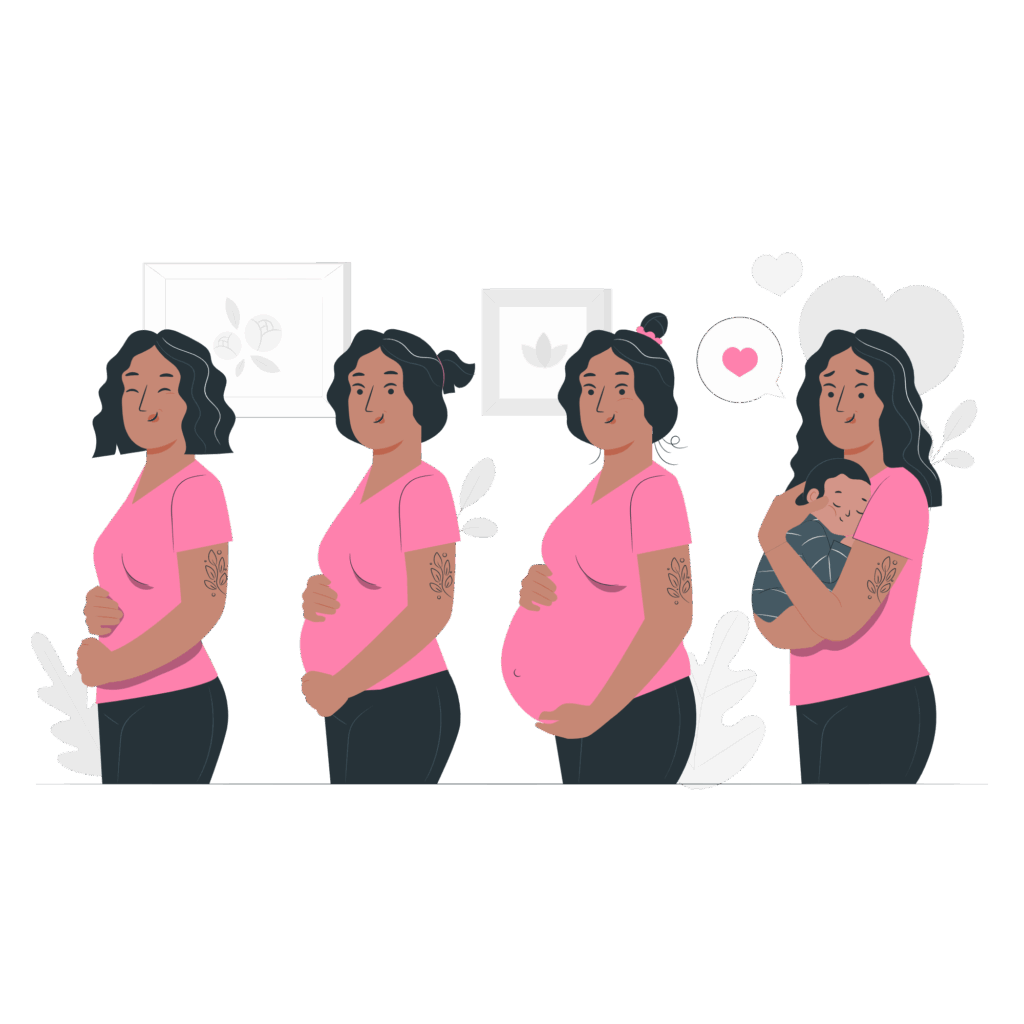
Pregnancy transforms your body in powerful and beautiful ways. After delivery, many women begin to think about how to lose the “baby weight.” While it’s natural to want to feel like yourself again, postpartum weight loss should never be rushed or treated like a quick-fix challenge. Your body has done something extraordinary, and recovery takes time.
This guide offers safe, realistic, and evidence-based strategies to help new moms gradually return to their healthiest selves—without extreme diets or unsafe practices.
1. Understand the Postpartum Weight Loss Timeline
It took nine months for your body to grow and nourish your baby, so weight loss won’t happen overnight. Here’s a general idea of what to expect:
Immediately after birth: Most women lose 10–15 pounds (baby, placenta, and fluids).
First 2–6 weeks: Gradual fluid and fat loss as your body stabilizes.
6 weeks–6 months: If you’re breastfeeding and staying active, you may naturally lose 1–2 pounds per week.
6 months–1 year: Weight loss slows as hormones normalize.
Key takeaway: Be patient—steady, gradual progress is healthier and more sustainable.
2. Nourish Your Body with Balanced Nutrition
Postpartum recovery and weight loss both depend on proper nutrition. Instead of restricting calories too much, focus on nutrient-dense foods:
Protein: Eggs, yogurt, fish, chicken, beans, and tofu help repair tissue, support milk production, and boost metabolism.
Fiber: Fruits, vegetables, legumes, and whole grains promote fullness and steady energy.
Healthy fats: Avocados, nuts, seeds, and olive oil support hormone balance.
Hydration: Drinking enough water curbs cravings, supports metabolism, and aids in milk production.
Tip: Aim for small, frequent meals to keep energy steady—this is especially helpful for breastfeeding moms.
3. Breastfeeding and Weight Loss
Breastfeeding is not only beneficial for your baby—it may also help with postpartum weight loss. Nursing burns an extra 300–500 calories per day. However, every woman’s body responds differently. Some lose weight faster, while others retain extra fat as a natural safeguard for milk production.
Don’t pressure yourself to breastfeed for weight loss—it should be a personal choice based on comfort and health.
4. Start Gentle Movement (When Cleared by Your Doctor)
Physical activity should be gradual and safe:
Weeks 1–6: Focus on rest, gentle stretching, and short walks.
After clearance (usually 6 weeks): Begin low-impact workouts like walking, yoga, or light resistance exercises.
Long-term: Incorporate cardio, strength training, and core rehabilitation (especially for diastasis recti and pelvic floor recovery).
Tip: Postnatal Pilates and yoga are excellent for strengthening the core without strain.
5. Sleep and Stress Management
One of the most overlooked factors in postpartum weight loss is rest. Sleep deprivation increases ghrelin (hunger hormone) and decreases leptin (satiety hormone), making cravings harder to control.
Of course, with a newborn, sleep is limited. Try these strategies:
- Nap when your baby naps.
- Share night duties with your partner if possible.
- Avoid relying on sugary snacks or caffeine to cope with fatigue.
6. Set Realistic Expectations
Crash diets, extreme workouts, or comparison with social media “bounce back” stories can be harmful. Remember:
Every woman’s body is different.
Healing and recovery are just as important as weight loss.
Focus on long-term health and strength, not just a number on the scale.
7. Support Systems Matter
Surround yourself with supportive voices—whether it’s your partner, family, friends, or online mom communities. Postpartum is not just physical, it’s emotional. Having encouragement makes lifestyle changes easier and more sustainable.
If you’re struggling, consider speaking with a nutritionist, physiotherapist, or mental health professional specializing in postpartum care.
Sample Day of Healthy Postpartum Eating
Breakfast: Vegetable omelet with whole-grain toast
Snack: Greek yogurt with berries
Lunch: Grilled chicken salad with avocado and chickpeas
Snack: Apple slices with peanut butter
Dinner: Salmon with quinoa and steamed broccoli
Hydration: 8–10 glasses of water throughout the day
Postpartum weight loss is a gradual, holistic process. Instead of chasing quick fixes, focus on nourishing foods, gentle exercise, adequate rest, and emotional support. Celebrate your body—not just for how it looks, but for the incredible life it created. With patience and consistency, the “baby weight” will come off, and you’ll feel stronger, healthier, and more confident.